Yuzu chuuhai is the official drink I have on my ‘alcohol free’ days in Japan. It is generally made with a single shot of shochu so it is only about half as strong as a gin and tonic.
If you’ve ever been in Japan for New Year you may have indulged in some traditional Japanese New Year’s fare – osechi ryori.
Osechi ryori is made in advance as little if any housework is done during the new year’s celebrations. Pickling, smoking, marinating and simmering are common techniques of hozonshoku – foods that keep/preserve well.
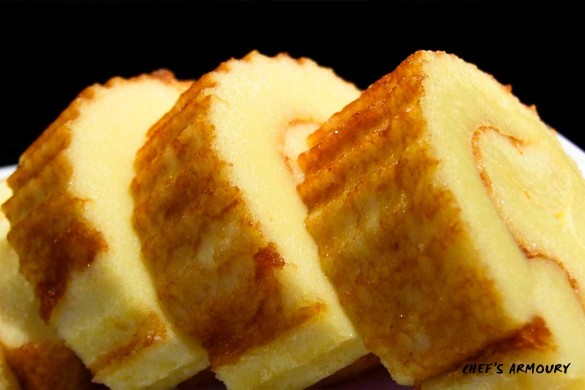
In Japan before Oshogatsu – New Year – you will see datemaki – sweetened dashi omelette flavoured with shrimp or fish – in many a new year’s lacquered bento box.
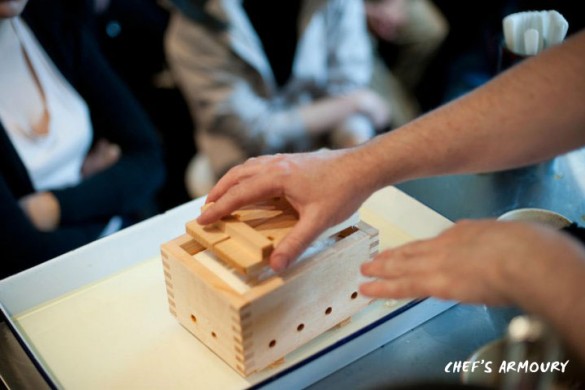
Tofu is really simple to make but does require a little patience and a watchful eye. Try the Chef’s Armoury recipe for making momen or cotton tofu, which is commonly used for simmered dishes and agedashi tofu.
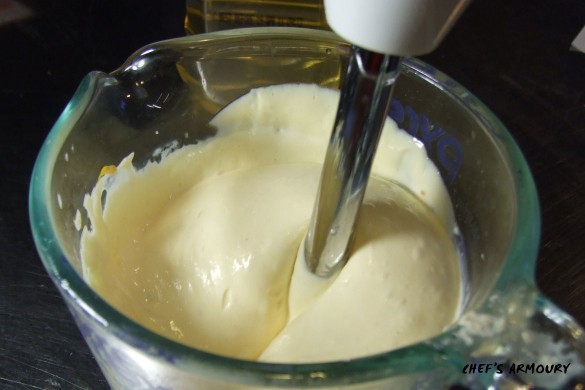
Kewpie – the number one brand of mayonnaise in Japan with die hard fans all around the world – Are you one of them?

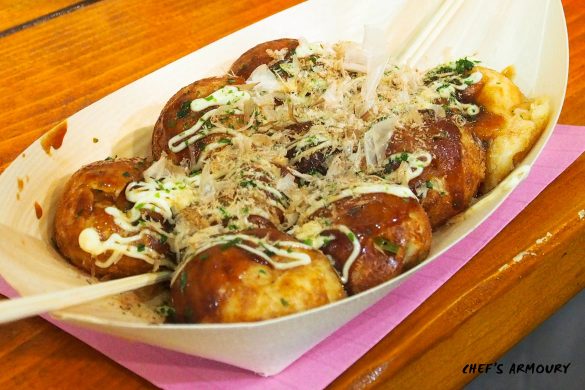
Takoyaki is one of the most popular street foods in the Kansai region of Japan. Traditionally these balls are filled with octopus (tako) but in recent times ingredients such as prawn, crab, sausage, mochi and cheese have invaded the takoyaki menu. The best takoyaki pans are made heavy cast iron, as these are best for…
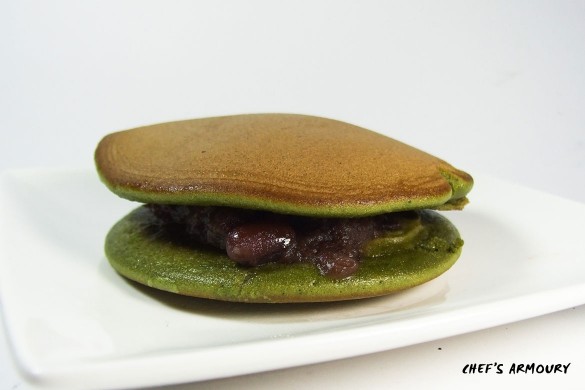
Have you ever made matcha dorayaki?
Dorayaki are Japanese pancake sandwiches with sweet fillings. Traditionally the fillings are made with red azuki beans but you will also find them filled with custard, black sesame, cinnamon paste and different flavoured creams.
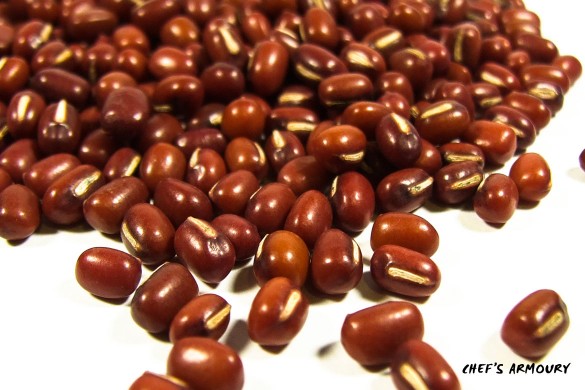
Apart from coffee, our favourite bean would have to be the humble azuki bean. The azuki bean is used in a range of Japanese desserts but the tastiest form of azuki must be Tsubushian.
Tsubushian is a chunky style of red bean paste where the beans are mashed with the skins left on. It’s simple to make – the beans are cooked, drained, mashed and then sweetened. You can vary the methods and amounts of mashing to create various textures. A little kuzu starch may also be added. Basic recipe follows…